The 2026 Guide to AI Resume Screening & Fraud Protection
A practical guide to implementing AI resume screening in 2026, covering candidate fraud detection, bias reduction, ATS integration, and proven ROI from real companies. Free download.
![What [You'll Learn]](/_next/image?url=https%3A%2F%2Fres.cloudinary.com%2Fddzukutpc%2Fimage%2Fupload%2Fv1757335382%2FBR_Web_2_01_6bfded626d.png&w=3840&q=75)
What You'll Learn
- How to reduce resume screening time by up to 90% using AI — without losing control over hiring decisions
- How to detect fraudulent candidates and AI-generated resumes before they reach your first interview
- How to define objective screening criteria and align your team — using the same framework Pomelo used to increase inbound hires from 38% to 54%
- How to connect AI screening to your ATS (Greenhouse, Lever, Workday, and 7 more) and run your first screening in under 48 hours
- How to calculate and present the ROI of AI screening — including a country-by-country breakdown (up to 10.6x in the US)
- How Quandri screened 2,000 resumes in a week without missing a single top candidate
Part 1: Best Practices
- Why traditional screening is slow, biased, and inconsistent
- How to define objective, data-driven evaluation criteria
- Ways to align with hiring managers on candidate fit
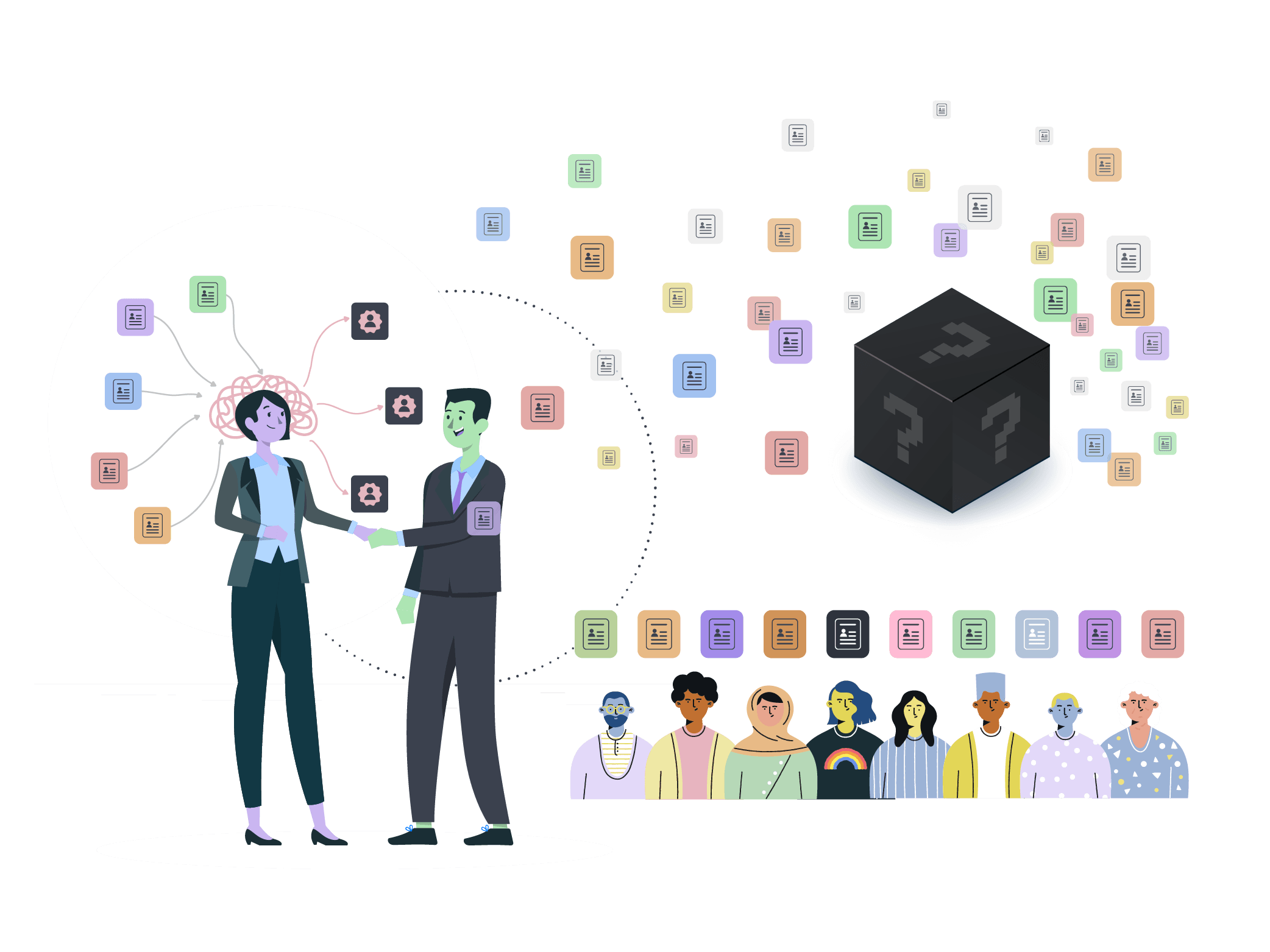
- How to detect bias, fake resumes, and soft skill patterns
Part 2: Getting Approval and Implementing AI
- Choose the right level of automation for your team
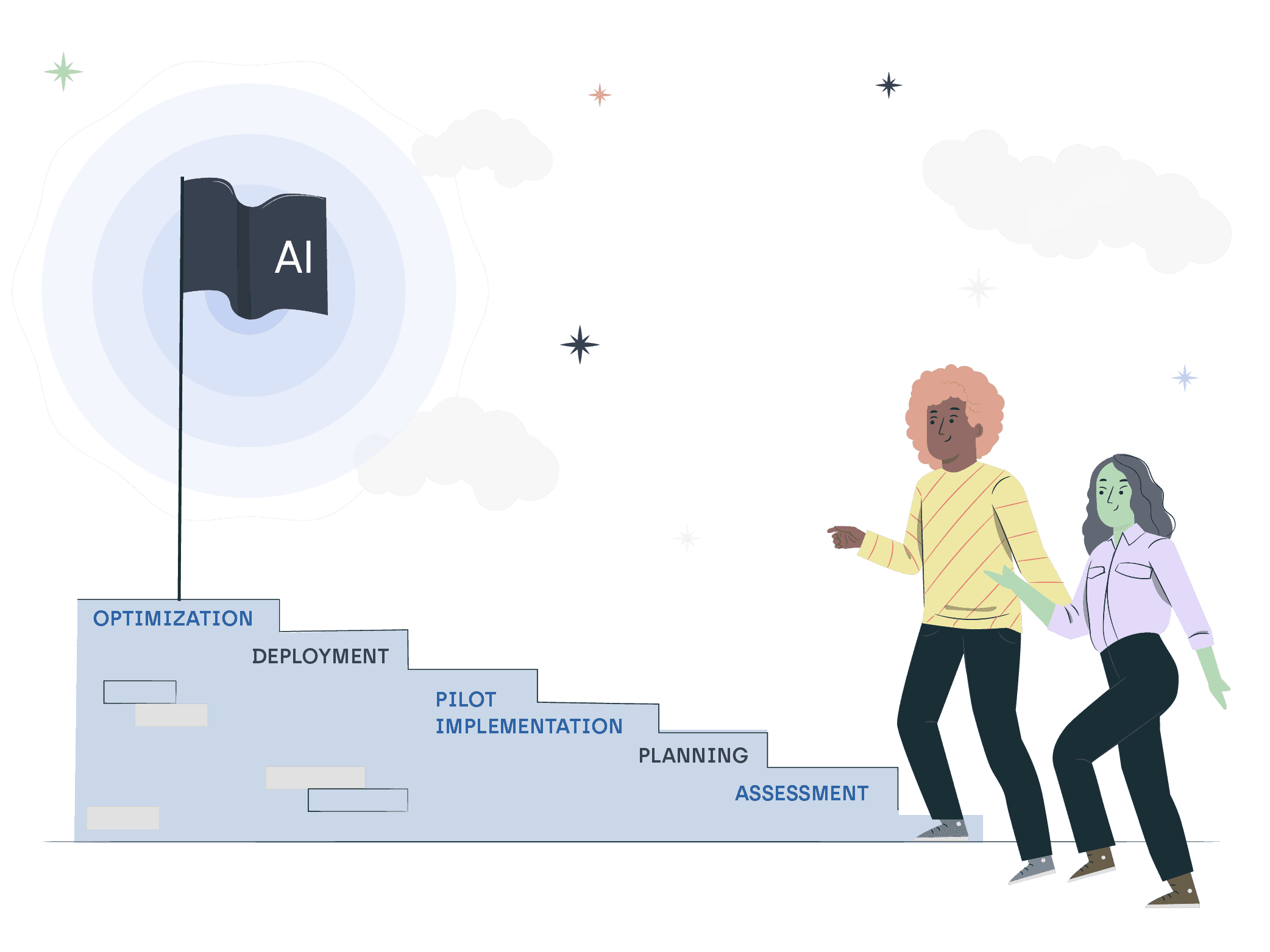
- Launch a pilot program and get internal buy-in fast
- Prove ROI with real time and quality improvements
- Connect Brainner to your ATS and workflows
Part 3: Real-World Success Stories
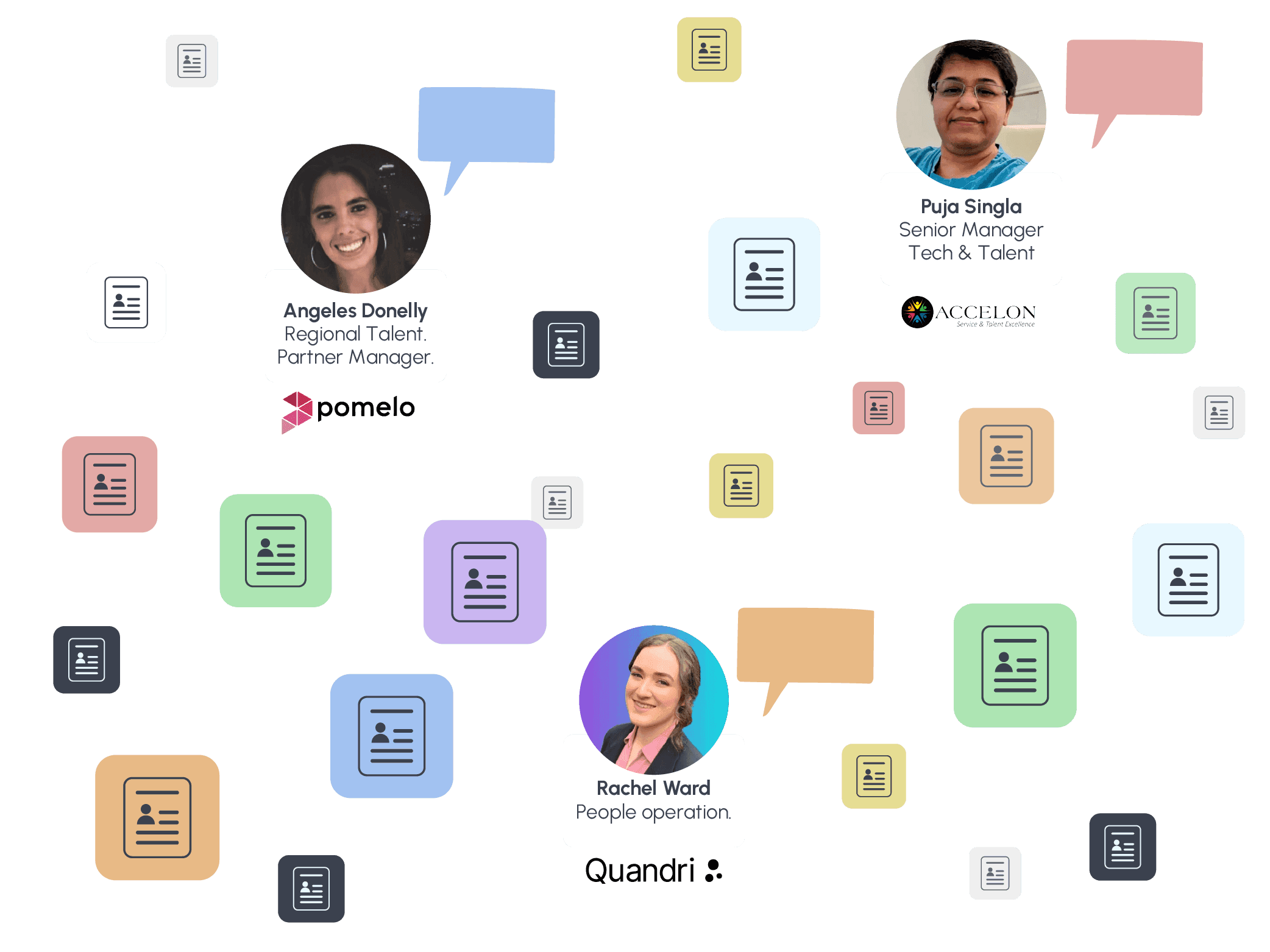
- Pomelo (Greenhouse ATS): Inbound hires jumped from 38% to 54%
- Quandri (Lever ATS): 2,000+ resumes screened, top talent retained
- Accelon (Zoho Recruit ATS): High-volume hiring optimized for a staffing agency
- Seasonal & Campus Hiring: Use cases for surges and entry-level roles
Chosen by Large Enterprises, RPOs, and Startups
AI resume screening is the automated evaluation of job applications using machine learning. The system analyzes each resume against predefined criteria — scoring candidates by fit, flagging inconsistencies, and detecting fraudulent profiles — without manual review. Unlike traditional ATS keyword filters, AI screening understands context and processes hundreds of applications in real time.
Teams using Brainner report saving up to 90% of initial screening time — reducing hours of manual review to minutes. Pomelo, a LATAM fintech, increased inbound hires from 38% to 54% after implementing AI screening. Most teams run their first screening in under 48 hours after connecting their ATS.
Brainner cross-checks candidate profiles across 20+ identity, behavioral, and contact signals — flagging suspicious patterns automatically before candidates reach the interview stage. According to Gartner, 1 in 4 job candidates globally will be fake by 2028. Lauren Fisher, Senior Manager of TA at IMO Health, puts it directly: with Brainner's fake applicant detection, her team can "confidently move forward knowing that the candidates we're speaking with are legitimate."
Yes, when implemented with transparency and human oversight. Brainner is GDPR-compliant, SOC 2 Type II certified, and has undergone independent AI bias audits. The EU AI Act classifies certain recruitment AI systems as high-risk, requiring explainability — Brainner meets these requirements. Candidate data is processed securely and never used to train external AI models.
Most talent acquisition teams connect Brainner to their ATS and run their first screening in under 48 hours. The onboarding includes a 30-minute session to set up criteria, connect your ATS, and import live candidates.
Brainner integrates with Greenhouse, Lever, Workday, Recruitee, SmartRecruiters, Workable, JazzHR, Zoho Recruit, iCIMS, Ashby and more. Every decision syncs automatically with your ATS in real time.
Still have questions?
Book a demo or .